
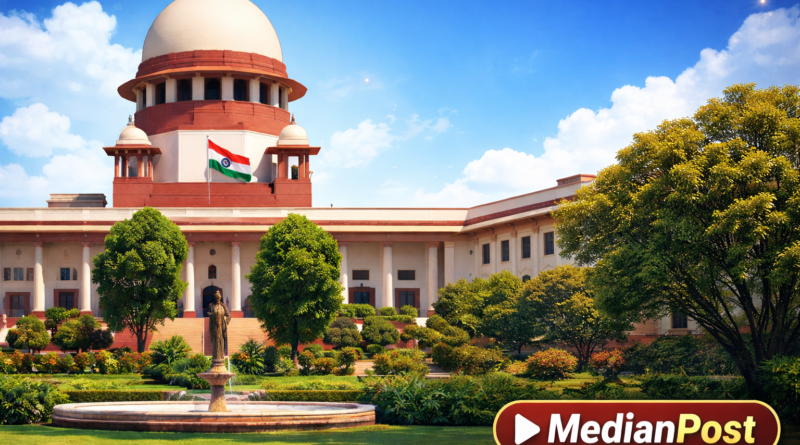
Unnao Rape Case: Supreme Court Stays High Court Order, Legal Battle Continues
The Unnao rape case, one of India’s most high-profile sexual assault cases, has once again made headlines after the Supreme Court intervened in a controversial High Court order. The case dates back to 2017, when a minor girl was allegedly raped by former BJP MLA Kuldeep Singh Sengar in Uttar Pradesh’s Unnao district. Over the years, it has raised serious questions about accountability, justice, and victim safety.
In December 2025, the Delhi High Court suspended Sengar’s life imprisonment sentence and granted him conditional bail while his appeal was pending. The order included strict restrictions, but it alarmed the public and civil society groups, who argued that it could send the wrong message about sexual assault and the consequences for powerful offenders.
Soon after, the Supreme Court stepped in and stayed the High Court’s order. The apex court emphasized that the matter involved “substantial questions of law” regarding the application of the Protection of Children from Sexual Offences (POCSO) Act and the Indian Penal Code. Importantly, the Supreme Court clarified that Sengar would remain in custody during the legal review, ensuring that he does not benefit from the High Court’s temporary relief.
Sengar is also serving another sentence for the custodial death of the survivor’s father, a case that drew national outrage and added to his prison term. Despite the legal relief at the High Court level, these additional sentences ensure he remains behind bars for now.
The survivor has continued to express fear for her safety and that of her children, pointing out lapses in the investigation that she says favored the accused. Civil society groups and activists have staged protests in Delhi and other cities, stressing the need for victim protection and consistent enforcement of the law, especially in cases involving influential figures.
The case continues to attract public attention and serves as a focal point for debates about judicial discretion, victim protection, and accountability in sexual assault cases. As the Supreme Court prepares to hear the case in detail, the nation watches closely, highlighting the ongoing struggle of survivors seeking justice in a complex and often slow-moving legal system.