


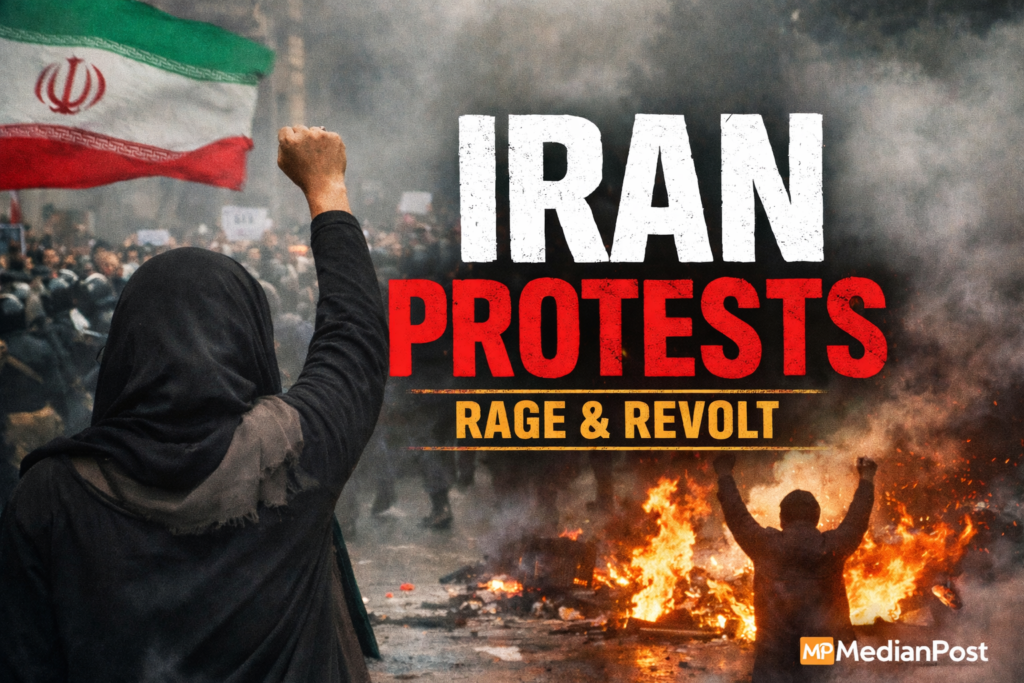
In many parts of Iran, the streets have become more than just roads they have turned into places where people are finally speaking out. From Tehran’s crowded neighborhoods to smaller towns rarely seen in headlines, men and women are gathering despite fear, despite uncertainty. The message is simple but powerful: life has become too difficult to stay silent.
Daily Life Has Become a Struggle
For ordinary Iranians, the protest is not driven by politics alone it begins at home. Families talk about shrinking salaries, soaring food prices, and the constant stress of making ends meet. Essentials like bread, cooking oil, and fuel now cost far more than they did just months ago. As the national currency weakens, many say their future feels unstable and fragile.
When Economic Pain Turns Into Political Anger
What started as frustration over rising prices has slowly turned into deeper political anger. On the streets, voices are questioning leadership, governance, and years of unfulfilled promises. Protesters say they no longer believe temporary fixes will change their lives. This shift from economic demands to political questions marks a turning point in the movement.
Fear, Force, and a Heavy State Presence
Security forces have moved quickly to control the situation. Police patrol protest zones, checkpoints appear overnight, and gatherings are dispersed with force. Arrests have been reported, often without clear information for families waiting at home. Fear is present, but so is determination. Many protesters say the risk feels unavoidable after years of pressure.
Trying to Silence the Digital Window
As unrest spreads, internet access has been restricted across several regions. Social media platforms slow down or disappear entirely. Authorities say this is necessary for security, but protesters believe it is meant to hide what is happening. Still, clips recorded on phones shaky, rushed, emotional continue to find their way out, keeping the story alive.
Global Concern, Local Defiance
Outside Iran, governments and human rights groups are watching closely. Statements of concern and calls for restraint are being issued. Inside the country, officials reject criticism, blaming foreign influence and outside agendas. On the streets, however, protesters insist their struggle is local, personal, and rooted in daily hardship.
A Moment That Could Shape Iran’s Future
No one knows how this will end. Some protests fade quietly; others leave lasting marks on history. What is clear is that the voices rising across Iran reflect years of accumulated frustration. Whether the government chooses dialogue or deeper repression may decide not just the outcome of these protests, but the direction of the country itself.